
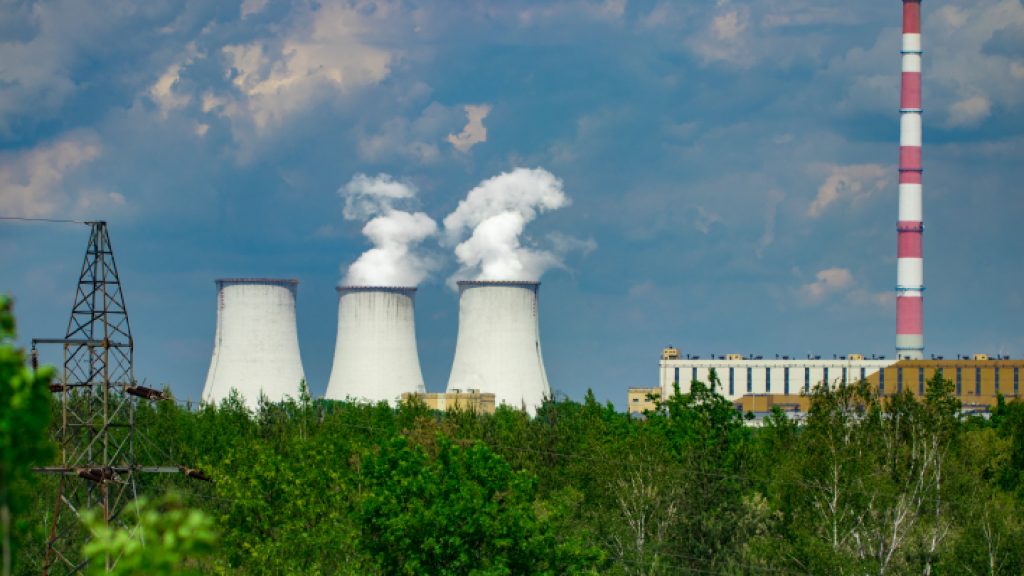
Poland will soon commence work on an approximately €42bn ($48.8bn) nuclear power project following the authorisation of an aid package by the European Commission (EC).
The project includes the construction of three nuclear reactors. Each reactor will have a capacity of 1,250MW. The plant is expected to begin operations in the latter part of the 2030s.
It is part of Poland’s plan to reduce carbon emissions from its electricity sector.
AP1000 reactor technology was selected for the country’s flagship nuclear energy initiative in November 2022.
The following year, Westinghouse Electric Company, Bechtel, and Polish utility Polskie Elektrownie Jądrowe (PEJ) signed an agreement that outlined how the three organisations would work together on the design and construction of the project.
The three companies further signed an engineering development agreement in April this year, which remains in effect until the signing of the engineering, procurement, and construction agreement, which is planned for the end of 2025.
Poland notified the EC in September 2024 of its intention to provide financial support for PEJ through direct price support mechanisms and other measures.
The aid package includes a two-way contract for difference (CfD) lasting 40 years, which aims to provide stable revenues for the plant.
If market prices fall below an established strike price, the state will compensate PEJ; if prices exceed it, PEJ must pay the difference back to the state.
Poland will also inject equity covering around 30% of project costs and offer state guarantees for all debt undertaken by PEJ.
The strike price under the CfD will be set using a discounted cash flow model that considers both equity contributions and state guarantees.
This measure seeks to ensure that state aid does not exceed what is necessary to cover funding gaps while providing returns consistent with private investment expectations.
To prevent overcompensation, Poland has implemented a control mechanism requiring any profits above the market rate of return threshold to be shared with the state during the plant’s operational life.
Regular reviews of cost variables used in setting the strike price will also take place.
To reduce market concentration risks and protect consumers from cost pass-throughs, Poland has also committed to selling at least 70% of annual electricity output from the facility on public power exchanges throughout its operational period. The rest may be sold via open auctions under transparent terms.
Additionally, PEJ must remain legally and functionally independent from other significant entities within Poland’s electricity sector.
Following these revisions and commitments, the EC determined that Poland’s support measures comply with EU rules on state aid.