
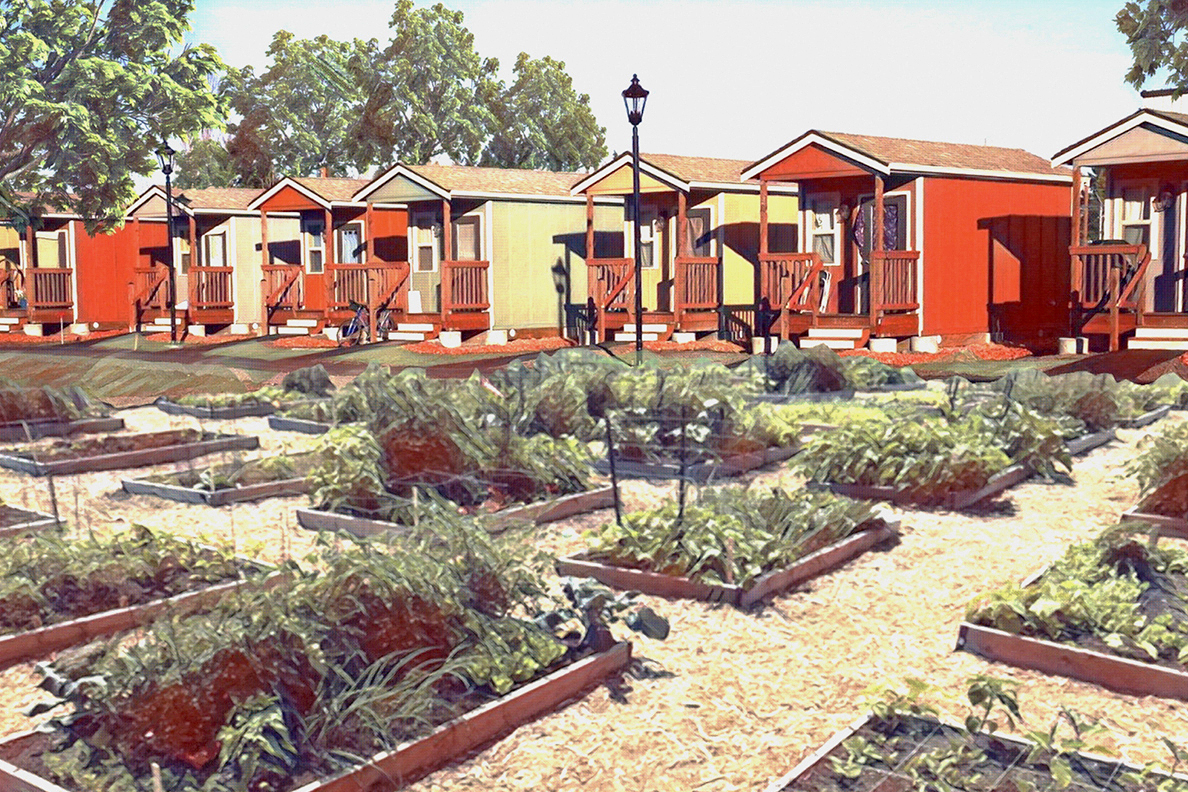
Comprising Washington State University seniors in landscape architecture and interior design, the team also drafted a model ordinance to help regulate the tiny homes communities in Lewiston.
The model ordinance, which was drafted by ten students, would enable the creation of tiny home villages in the city.
Go deeper with GlobalData


Discover B2B Marketing That Performs
Combine business intelligence and editorial excellence to reach engaged professionals across 36 leading media platforms.
The ordinance comprises planning, design and legal recommendations for tiny villages to be located near public transit routes to reduce the need for car parking. It will be reviewed by the city’s planning commission.
Jesus Gomez, a senior landscape architect who worked on the project, said: “Tiny homes provide options for the unhoused and housing insecure people within the community.
“We took it as a possibility of coming together as a class and trying to develop new ways and solutions to provide ideas in a time when housing is a crisis.”
The team presented the tiny homes plan to city planners and community members.
Generally ranging from 80ft² to 200ft² in size, the tiny homes offer more housing options. They are smaller than traditionally sized residential units.
Additionally, the team of students studied tiny home communities in the western US and carried out virtual tours of Lewiston to assess land-use patterns as part of the project.
Washington State University School of Design and Construction clinical assistant professor Steve Austin said: “Tiny home availability can be one solution among many others in a coordinated approach to affordability and availability.
“This student work complements the many positive actions the community is already taking to address these issues.”


