

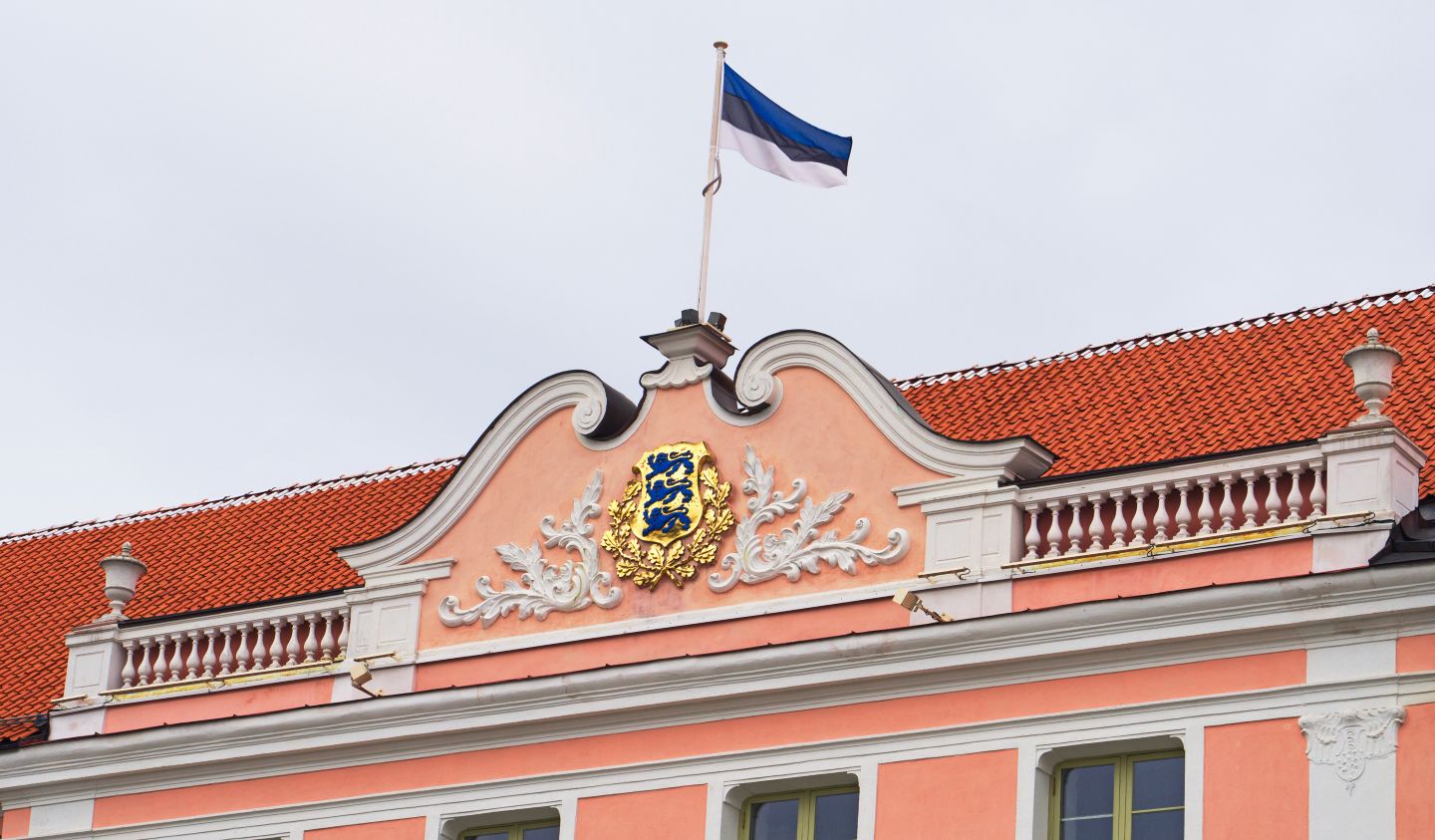
In November 2025, Estonia’s parliament, the Riigikogu, approved the 2026 State Budget Act, with 51 members voting in favour and 37 against, and no abstentions. The budget projects total revenue of €18.6bn ($20.3bn) and expenditure of €19.5bn ($21.3bn). Public investment is set to reach €1.3bn ($1.4bn), representing a 45% increase compared to 2025. However, the government expects tax revenues to decline by €780m ($851.7m), with the overall tax burden falling from 36.6% to 35.2%. As a result, the budget deficit is forecast at 4.5% of GDP, while state debt is expected to rise by €1.7bn ($1.9bn), reaching 25.9% of GDP, in 2026.

Estonia’s 2026 budget reflects a strategic reallocation of public spending toward defence readiness, critical infrastructure, and productivity-enhancing investments, while continuing to support key social programs. Defence spending will increase to at least 5% of GDP in 2026, representing an additional €844.5m ($922.1m) compared to 2025. The funding will be used to strengthen air defence, develop division-level force structures, expand drone capabilities, and support the domestic defence industry, including the continued development of the defence industry park.
Access deeper industry intelligence
Experience unmatched clarity with a single platform that combines unique data, AI, and human expertise.
Infrastructure and energy investments will remain a key budget priority. A total of €684.2m ($757m) will be allocated to railway development and maintenance, including €435.7m ($475.8m) for Rail Baltica, alongside €283.1m ($309.1m) for road infrastructure. The budget also provides €40m ($43.7m) to expand renewable energy capacity, with further allocations for climate measures of €11.5m ($12.6m), biodiversity protection of €23.3m ($25.4m), and forestry development of €14.4 m ($15.7m).
Social and economic programs will receive targeted funding. The Ministry of Regional Affairs and Agriculture will allocate €174.4m ($190.4m) for sustainable public transport, supported by around €50m ($54.6m) in ticket revenue, while €1.7m ($1.9m) will be directed toward food safety monitoring. The Ministry of Economic Affairs and Communications will allocate €117m ($127.8m) to support business research and development, including €27.3m ($29.8m) for innovation loans, and €40m ($43.7m) annually to attract large-scale investments. Meanwhile, €210m ($229.3m) has been earmarked for pension indexation, supporting a projected 5.4% increase in average pensions in 2026.
The 2026 state budget is expected to support growth in Estonia’s construction industry by sustaining public investment in renewable energy, green hydrogen, and transport infrastructure projects. GlobalData expects the Estonian construction industry to record a growth rate of 3.8% in 2026. Increased allocations for Rail Baltica, road development, and railway maintenance, as part of the latest budget, are expected to sustain demand across civil engineering and large-scale transport construction, while higher defence spending will support the development of military infrastructure, logistics facilities, and industrial parks linked to the domestic defence industry. At the same time, funding for renewable energy expansion, climate measures, and green hydrogen initiatives is likely to drive activity in energy-related construction, including grid upgrades, generation facilities, and supporting infrastructure. Although fiscal pressures and a higher budget deficit may limit private-sector investment sentiment, the scale of public investment and clear prioritisation of strategic sectors are expected to provide stability for contractors and suppliers, helping to underpin moderate but steady growth in Estonia’s construction industry in 2026.
US Tariffs are shifting - will you react or anticipate?
Don’t let policy changes catch you off guard. Stay proactive with real-time data and expert analysis.
By GlobalData
